Bold Dream: Playful, Rounded, Unmistakably Cheerful
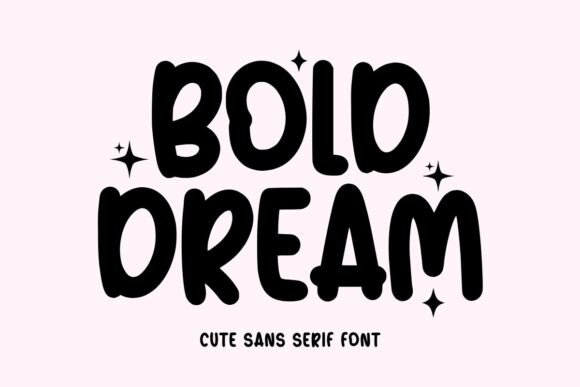
If you’ve ever scrolled past a holiday card that made you smile before you even read the message—or paused on a kids’ book cover because the title felt like a warm hug—you’ve likely encountered the quiet magic of a well-chosen display font. Bold Dream is one of those rare sans-serif fonts that doesn’t just sit on the page; it leans in, winks, and invites connection. It’s not loud or aggressive—its boldness comes from generosity of shape, not weight alone. Rounded terminals, generous x-height, open counters, and subtly exaggerated curves give it a soft, approachable confidence. Think of it as the typographic equivalent of a hand-knit sweater: carefully crafted, full of warmth, and unmistakably human.
Where Bold Dream Truly Shines (and Where It Doesn’t Try To)
Bold Dream is a display font—not a workhorse text face—and that distinction matters. It thrives where personality leads: logo design for boutiques, indie bakeries, or children’s apps; social media graphics that need to stop the scroll without shouting; packaging for organic toys or artisanal cookies; editorial design for lifestyle blogs with a gentle, uplifting tone. Its rounded, friendly geometry reads clearly at larger sizes, especially against clean backgrounds or soft textures. You’ll see it used beautifully on greeting cards, craft fair banners, classroom posters, and even embroidered patches—because its shapes translate well across mediums.
It’s less suited for dense body copy, legal disclaimers, or interfaces demanding high information density. That’s not a flaw—it’s clarity of purpose. A premium font like Bold Dream earns its place by doing one thing exceptionally well: expressing joy, care, and lighthearted sincerity. When your brand voice leans into warmth, whimsy, or heartfelt simplicity, this sans-serif font becomes a strategic asset—not just decoration.
How It Shapes Perception—Without Saying a Word
Typeface choice is silent branding. Bold Dream subtly signals values: approachability over austerity, playfulness over rigidity, inclusivity over exclusivity. In logo design, it helps small businesses feel welcoming—think a neighborhood yoga studio or a handmade soap brand. For publishers targeting parents or educators, it reinforces trust through visual consistency across newsletters, printables, and website headers. Even in web design, using Bold Dream for key headlines or CTAs can lift engagement by making interactions feel more personal and less transactional.
Crucially, its readability at display sizes supports visual hierarchy without sacrificing charm. Unlike some overly stylized script or handwritten fonts, Bold Dream maintains letterform clarity—even in all caps or at smaller display sizes (24–48pt). That means your audience grasps the message first, then feels the tone. That dual impact strengthens brand recognition over time: people begin to associate that rounded, buoyant shape with your voice, whether they’re scrolling Instagram or unwrapping a gift box.
Practical Tips Before You Type a Single Word
Start by asking: *Is this moment meant to be felt, not just read?* If yes, Bold Dream is worth exploring. But don’t assume it fits every “fun” project. Test it with your actual content—not placeholder text. Try typing your business name, tagline, or a real headline. Does the rhythm feel right? Does the spacing between letters support legibility, or does it tighten awkwardly in certain combinations (like “Wa” or “oo”)? Most quality releases include at least one weight—often Bold—and sometimes include complementary italics or alternates. Check what’s included before licensing.
Font pairing is where many designers unlock Bold Dream’s full potential. Pair it with a neutral, highly legible sans serif—like Inter, Poppins, or even a clean Helvetica variant—for body text or captions. The contrast gives Bold Dream room to breathe while grounding the layout in professionalism. Avoid competing display fonts or overly decorative serifs; they muddy the tone. And if you’re designing for screens, preview how it renders at different weights and sizes—not just on your high-res monitor, but on a mid-tier tablet or older smartphone. Some rounded fonts soften too much at smaller sizes; Bold Dream generally holds up well, but verify.
Licensing, Realism, and Respectful Use
Bold Dream is a commercial font, meaning most versions require a license for business use—including websites, client projects, product packaging, and digital ads. Free downloads often lack proper licensing, missing critical features like OpenType support, language coverage, or updated hinting for screen rendering. Worse, they may carry hidden risks or violate terms of service on platforms like Shopify or Canva. Always source from reputable foundries or authorized resellers.
A good license covers your intended use case: desktop, web, app embedding, or ePub. If you’re a freelancer using Bold Dream in a client’s logo, confirm whether their license extends to that usage—or if you need an extended license. Small business owners should check whether their plan includes multi-user access or redistribution rights (e.g., for templates sold on Creative Market). It’s not bureaucracy—it’s respect for the designer’s labor and assurance that your brand assets remain legally sound and technically stable.
A Final Thought: Personality With Purpose
In a landscape saturated with ultra-thin minimalism and algorithm-optimized neutrality, Bold Dream stands out by embracing gentle boldness—not as volume, but as presence. It doesn’t shout to be seen; it draws people in with sincerity. That makes it especially valuable for creators who build brands around empathy, creativity, or everyday joy: teachers crafting classroom materials, makers launching Etsy shops, bloggers sharing mindful routines, or marketers developing campaigns for family-focused services.
Use it where authenticity matters more than edge. Use it when your goal isn’t to impress, but to resonate. And use it knowing that behind every curve and counter is thoughtful design—not trend-chasing, but craft. That’s why, years after its release, Bold Dream continues showing up in projects that feel quietly unforgettable.