Tempting: A Dazzling Script Font for Creative Expression
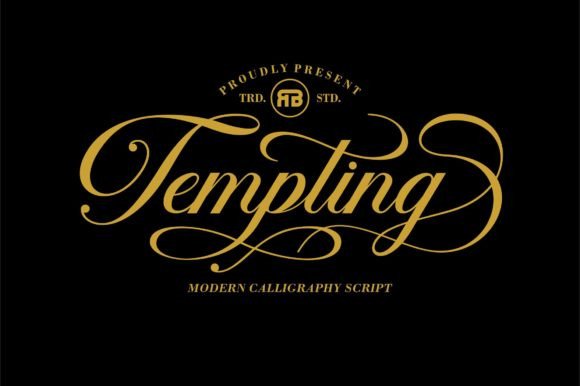
When it comes to choosing a font that can elevate your design projects, Tempting stands out as a remarkable option. This script font is not just visually appealing—it's also highly functional and versatile. Whether you're designing invitations, branding materials, or digital content, Tempting offers a unique blend of elegance and modernity that can make your work stand out.
The Beauty of Script Fonts
Script fonts like Tempting are known for their fluid, elegant strokes that mimic handwriting. They bring a sense of personality and warmth to any design. Unlike blocky sans-serif or serif fonts, script fonts have a more organic feel, which makes them ideal for creative and expressive projects.
Tempting is no exception. Its design is meticulously crafted with attention to detail. Each letter flows smoothly into the next, creating a seamless visual experience. The font’s structure allows for both readability and artistic flair, making it suitable for a wide range of applications.
Why Choose Tempting?
There are several reasons why Tempting should be in your font library. First and foremost, its neatly crafted appearance ensures that your designs remain professional while still feeling personal. This balance is especially valuable in industries such as fashion, wedding planning, and graphic design, where aesthetics play a crucial role.
Another standout feature of Tempting is its high level of detail. The font includes a variety of glyphs and swashes that add depth and character to your text. These elements can transform simple words into eye-catching visuals, making your work more engaging and memorable.
Tempting is also PUA encoded, which means that all glyphs and swashes are accessible with ease. This encoding allows designers to unlock additional characters and special features, expanding the font’s versatility. For those who enjoy customizing their designs, this feature is a game-changer.
Practical Benefits of Using Tempting
One of the most significant advantages of using Tempting is its adaptability. It works well across different mediums, including print and digital formats. Whether you're creating a logo, a social media post, or a product label, Tempting can enhance the overall look and feel of your project.
Additionally, the font's modern workflow compatibility makes it an excellent choice for professionals working in fast-paced environments. Its clean lines and structured layout ensure that it remains legible even when used in smaller sizes or on digital screens. This makes it particularly useful for web design and mobile applications.
For designers looking to create a unique brand identity, Tempting offers the opportunity to stand out. Its distinctive style can help differentiate your work from competitors, especially in niche markets such as luxury goods, lifestyle brands, and creative services.
How to Use Tempting Effectively
While Tempting is a powerful tool, it's important to use it wisely. Here are some practical tips for incorporating this font into your design projects:
- Balance with other fonts: To maintain readability, pair Tempting with a complementary sans-serif or serif font for body text.
- Use it strategically: Reserve Tempting for headlines, titles, and key phrases rather than large blocks of text.
- Experiment with swashes: Take advantage of the font's swashes to add visual interest without overwhelming the design.
- Test on different devices: Ensure that Tempting looks great on both desktop and mobile platforms.
- Explore customization options: Use the PUA encoding to unlock additional glyphs and tailor the font to your specific needs.
By following these guidelines, you can maximize the potential of Tempting and create designs that are both beautiful and effective.
Real-World Applications of Tempting
Tempting has found a home in various industries and creative fields. In the world of wedding planning, it's often used for invitations, programs, and signage due to its elegant and romantic aesthetic. Similarly, in the fashion industry, Tempting adds a touch of sophistication to brand logos and promotional materials.
For graphic designers, Tempting serves as a go-to font for editorial layouts, social media graphics, and packaging design. Its versatility allows it to fit seamlessly into both traditional and contemporary design styles.
In digital marketing, Tempting can be used to create visually striking banners, call-to-action buttons, and email subject lines. Its ability to capture attention quickly makes it a valuable asset for online campaigns.
Considerations Before Adopting Tempting
Before integrating Tempting into your workflow, there are a few factors to consider:
- Readability: While Tempting is stylish, it may not be the best choice for long-form text. Always test its readability in different contexts.
- Compatibility: Ensure that the font supports the platforms and software you use. Some older systems may not render it correctly.
- License restrictions: Check the licensing agreement to confirm whether you can use the font commercially or for personal projects.
- Design consistency: Maintain a cohesive visual style by using Tempting consistently across all related materials.
- Customization limits: While PUA encoding provides flexibility, not all glyphs may be available depending on the version you purchase.
By addressing these considerations, you can ensure that Tempting enhances your projects without compromising quality or functionality.
Final Thoughts on Tempting
Tempting is more than just a script font—it's a creative tool that can elevate your design work to new heights. With its detailed craftsmanship, modern compatibility, and customizable features, it offers a unique combination of beauty and utility.
Whether you're a seasoned designer or just starting out, Tempting has the potential to become an essential part of your font collection. By understanding its strengths and limitations, you can use it effectively to create compelling and visually stunning designs.